Projection and screens
Three-Chip 3LCD vs Single-Chip DLP Projectors
Quick answer
Two projectors claiming the same lumens may not look the same on a coloured slide. A 3-chip 3LCD publishes equal white and colour brightness, while a single-chip DLP can produce colour brightness far below its headline white figure. Ask for the colour light output before comparing prices.
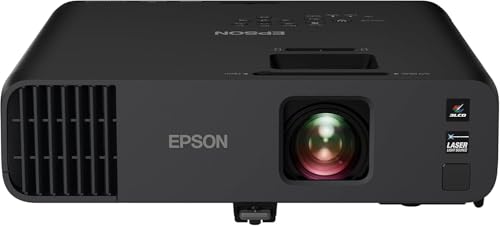
Epson Pro EX11000 3-Chip 3LCD Full HD 1080p Wireless Laser Projector
$1,399.99 Specs and sizingA 3-chip 3LCD laser projector, where white brightness and colour brightness are the same figure, so a coloured lyric slide looks as bright as a white one.
Best for: A mid-size sanctuary that is tired of buying projector lamps
Check price on Amazon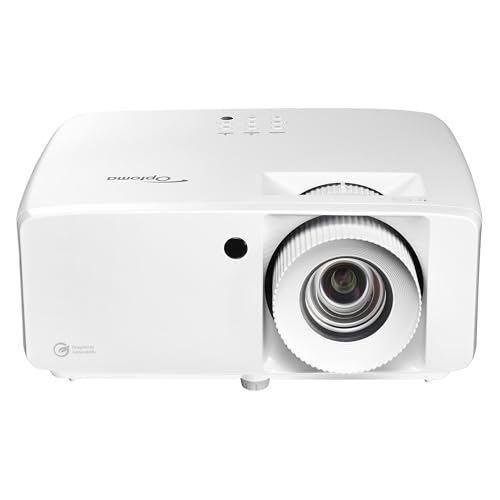
Optoma ZH451 - Full HD 1080p, 4,600 Lumens, Miracast Wireless Display, Laser, Compact, Business and Classroom Projector, Regular Throw 1080p Miracast
$1,099.00A bright 1080p single-chip DLP laser with a 30,000 hour light source at a lower price, with sealed optics and higher native contrast.
Best for: A bright room on a budget that cannot stretch to a 3-chip laser
Check price on AmazonThis is the specification churches are most often misled by, and it costs real money. A 3-chip projector splits light into red, green and blue and sends each to its own panel, so the colour brightness equals the white brightness. A single-chip DLP produces colours sequentially through a spinning wheel, and where that wheel includes a clear white segment to raise the headline number, the colour brightness can fall well below it.
On a church screen that difference shows up exactly where you care: coloured text, a logo, a photograph behind lyrics. A white slide looks fine on both. So ask any supplier for the colour light output figure alongside the white lumens, and treat an unwillingness to publish it as an answer in itself. Then size the brightness for your room on the lumens calculator.
Side by side
| Model | Price | Maximum resolution | Light source | Light source life | Aspect ratio |
|---|---|---|---|---|---|
| Epson Pro EX11000 3-Chip 3LCD Full HD 1080p Wireless Laser Projector | $1,399.99 | 1920 x 1080 | Laser | 20,000 hours | 16:9 |
| Optoma ZH451 - Full HD 1080p, 4,600 Lumens, Miracast Wireless Display, Laser, Compact, Business and Classroom Projector, Regular Throw 1080p Miracast | $1,099.00 | 1920 x 1080 | Laser | 30,000 hours | - |
What the headline lumens figure does and does not tell you
Six real differences, and the first one is the reason this page exists. The rest genuinely favour DLP in places, which is why this is not a one-sided comparison.
A 3-chip 3LCD projector publishes the same white and colour brightness, while a single-chip DLP can produce colour brightness far below its headline white figure, so two projectors claiming the same lumens may not look the same on a coloured slide.
| Property | 3-chip 3LCD | Single-chip DLP | Effect on a lyric slide |
|---|---|---|---|
| White brightness | As published | As published | The same number on both boxes |
| Colour brightness | Equal to white brightness | Can be well below white brightness | Coloured text and logos look dimmer |
| Native contrast | Lower | Higher | Blacks in a video clip |
| Dust over time | Filters, and dust can reach the panels | Sealed light path on many models | A visible blob after some years |
| Rainbow artifact | None | Visible to some viewers | Fast motion, and on camera |
| Convergence | Three panels must stay aligned | One chip, nothing to misalign | Fine text edges |
| Price of these examples | $1,399.99 | $1,099.00 | About three hundred dollars apart |
Not every single-chip DLP sacrifices colour brightness, and higher grade models are much closer to parity. The point is that the headline white lumens figure alone does not tell you, so the colour light output figure has to be requested and compared separately.
Choose 3-chip 3LCD when coloured content has to stay bright
Most church projection is coloured: lyrics over a photograph, a logo, a video clip, a themed background. If that describes your slides, a 3-chip projector delivers what the specification promised. The Pro EX11000 at $1,399.99 pairs that with a laser light source, and the Pro EX9270 at $999.99 is the cheaper lamp version of the same approach.
It matters most in a room that is already marginal. A church projecting with the house lights up has no brightness to spare, and losing a large share of it on coloured content is the difference between readable and washed out. That is precisely the situation where a church wrongly concludes it needs a far more expensive projector, when it actually needs an honest brightness figure and a better screen.
For a bright room with real windows, the PowerLite L530U at $2,749.00 is the install-grade answer, and it is worth reading projector against LED wall before assuming the problem needs a much larger budget.
Choose single-chip DLP for contrast, sealed optics and budget
DLP has genuine advantages and this page is not an argument against it. Native contrast is better, which shows on video content and in a darkened room. Many models have a sealed light path with no filter to clean, which matters a great deal for a ceiling mount in a building with an old air handling system. And there is nothing to misalign, so fine text stays crisp for the life of the unit.
It is also cheaper for the brightness. The ZH451 at $1,099.00 delivers a bright 1080p image with a 30,000 hour laser light source for less than the 3LCD alternatives, and the previous generation ZH450 at $1,498.00 is often available for less again. In a room where the lights genuinely come down, that saving is real and the colour brightness question matters far less.
Two things to check. Ask for the colour light output figure, and if the room has any ambient light, size the projector from that figure rather than the white one. And be aware that a small proportion of people see a brief colour separation on fast motion with single-chip designs, which is worth knowing if somebody on your team has ever complained about it. The BenQ LK936ST at $4,790.00 is the high-end short throw DLP option.
Sources
- Epson published 3LCD colour light output specifications
- Optoma published ZH series specifications
Frequently asked questions
How do I find a projector colour brightness figure?
Look for colour light output, sometimes published as CLO, in the same specification sheet as the white lumens. Manufacturers that publish equal figures state both plainly. If a supplier cannot produce the colour figure for a model, treat that as the answer and compare it against a projector that does publish one.
Will our congregation actually notice the difference?
On white text on a black background, no. On lyrics over a photograph, a coloured logo or a video clip in a room with any ambient light, yes, and they will describe it as the projector looking washed out rather than as a colour brightness problem. That is the situation where the specification quietly matters.
What is the rainbow effect and should we worry about it?
A brief flash of separated colour that some viewers see on single-chip DLP projectors during fast motion, caused by the colours being produced in sequence rather than simultaneously. Most people never notice it. A minority are sensitive to it and find it distracting, so ask whether anyone on your team has experienced it before.
Is 3LCD always the right choice for a church?
No. In a room where the lights genuinely come down and the content is mostly white text, a single-chip DLP gives better contrast for less money with sealed optics that need no filter cleaning. The colour brightness question only becomes decisive when there is ambient light and coloured content, which is common but not universal.
How many lumens does a church actually need?
It depends on screen size and how bright the room really is, which is why a single number is useless. The calculation works from screen area and target foot-lamberts rather than from seat count. Run your screen size and lighting conditions through the projector lumens calculator, and size from the colour brightness figure if there is ambient light.
Researched, not professional advice. This page is compiled from published manufacturer specifications, operator manuals, FCC rules, published standards and owner-review consensus, not hands-on testing. Sound system design, rigging loudspeakers overhead, and any electrical work are jobs for a qualified professional: have flown loudspeakers and their attachment points signed off by a structural engineer or a certified rigger, and have all wiring done by a licensed electrician to your local code. Wireless microphone rules change, so confirm the current FCC position before buying. As an Amazon Associate we earn from qualifying purchases.